
2,700 years and still formidable
Michel Heitzmann

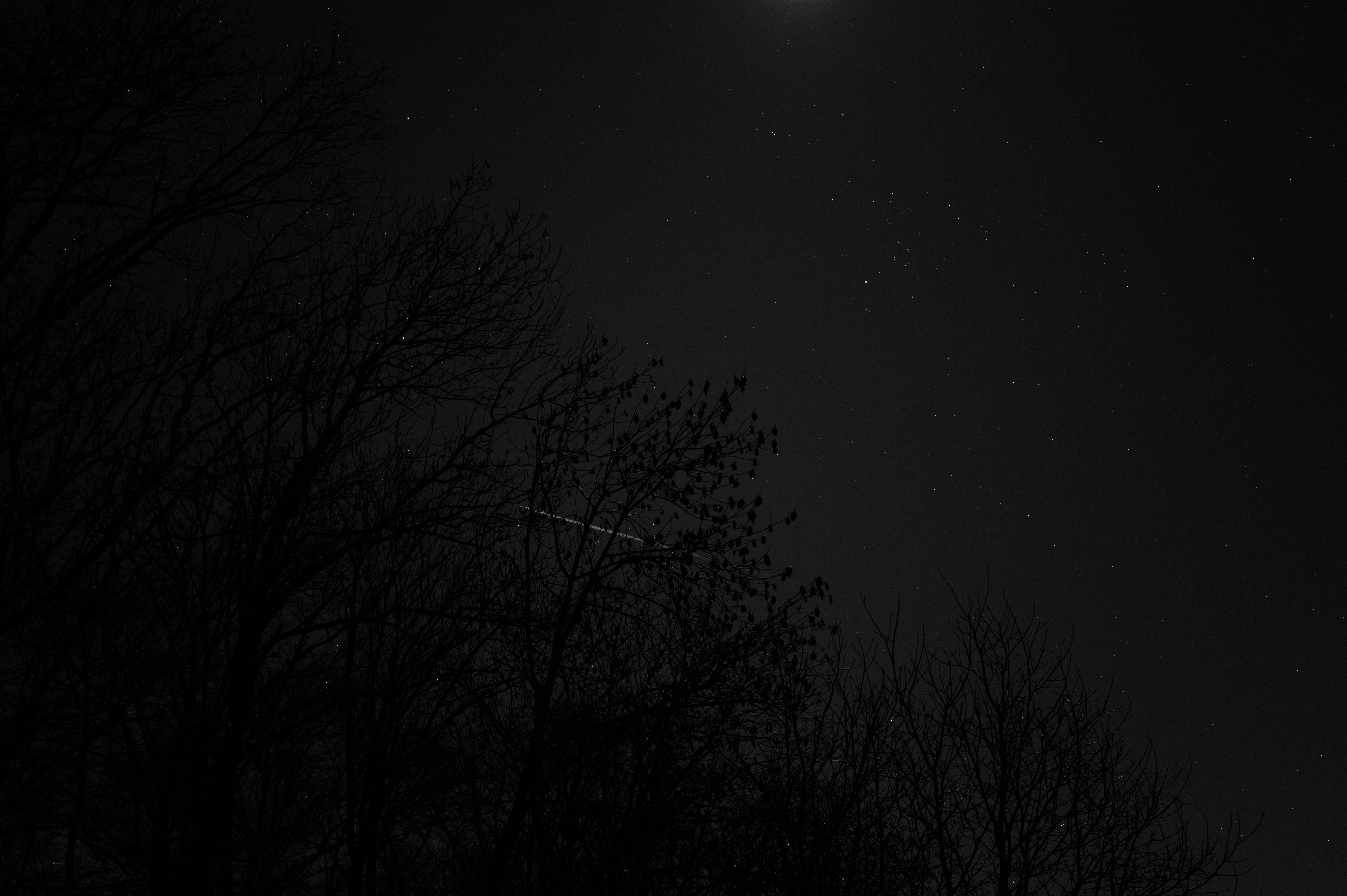
© Michel Heitzmann - Not Superman, not a meteor, just a plane
In April 687 BC, Chinese astronomers recorded a rain of light in the sky. They probably went oh! the Chinese ancient way, wrote it down and told their children. We don’t know if they were scared or scarred. The folks in this land I inhabit were not the sophisticated bunch, they smelled awful, were a tad behind and left no record.
Tomorrow night before dawn (22 Apr pre-sunrise!), the same meteor shower peaks again.
It’s the Lyrids. It comes from the dust of a comet named Thatcher (like Margaret but more endearing). Alfred Thatcher spotted it in New York City on 5 Apr 1861 with a small telescope way before neon lights were deployed. Three weeks later, a German called Carl Wilhelm Baeker spotted it with his naked eye (the comet was brighter), rejoiced but lost the naming rights as he was in a place called Nauen that I had to look up. 18,500 inhabitants as of last count.
The comet will not return until 2283 when I expect all of us, with the exception of Elon, to be dead.
That Thatcher is a stranger we (save Elon) will never meet. But every April, Earth walks through the trail of dust it left behind, and the dust burns.
This has been happening, reliably, for longer than almost any human institution has existed. Longer than any country. Longer than most languages. Longer than the idea of a work week. And of course Elon.
And yet, if you ask ten adults when the next meteor shower is, maybe one knows (I am making this up but sounds about right.) Ask them their phone's settings and they can recite them with passion.
We have swapped one kind of attention calendar for another. The new one is louder, faster, more expensive, and about nothing worth dying for.
I built an app called The Quiet Frame. It is, among other things, a calendar.
Not a calendar of meetings. A calendar of things the sky does. Equinoxes. Solstices. Full moons. Meteor showers. The slow, reliable events that have been shaping human attention for several millennia, and that we have almost entirely stopped noticing. It is also a door to cultures we choose to ignore and from which we should learn. Its aim? For us to reconnect with the planet, each other and ourselves. A minute a day, if you can spare the change.
This morning, the app told me the Lyrids peak tomorrow before dawn (22 Apr pre-sunrise!) That is why I am writing this. I admit I would have been clueless otherwise.
An app that pings you about Slack makes you more available to Slack. An app that tells you the Lyrids peak Wednesday before dawn makes you more available to the sky. Same mechanism, more interesting.
The Lyrids are not rare. They are not exotic. They are not a one-time event you need to travel for. They happen every year, and almost nobody notices.
That is what I find most concerning, we stopped paying attention to the very cool things.
If you can step outside tomorrow before dawn — 2am to 5am local time, looking northeast, after the crescent moon sets — you will see something that people since 687 BC also saw. How cool is that?
Get up and out. Maybe a blanket and a cup of tea? But ten minutes outside.
The comet is already gone. The dust is still burning.
The Quiet Frame is a bunch of apps built right here, right now. In Switzerland.